
Heat Safety Tips for Montrose
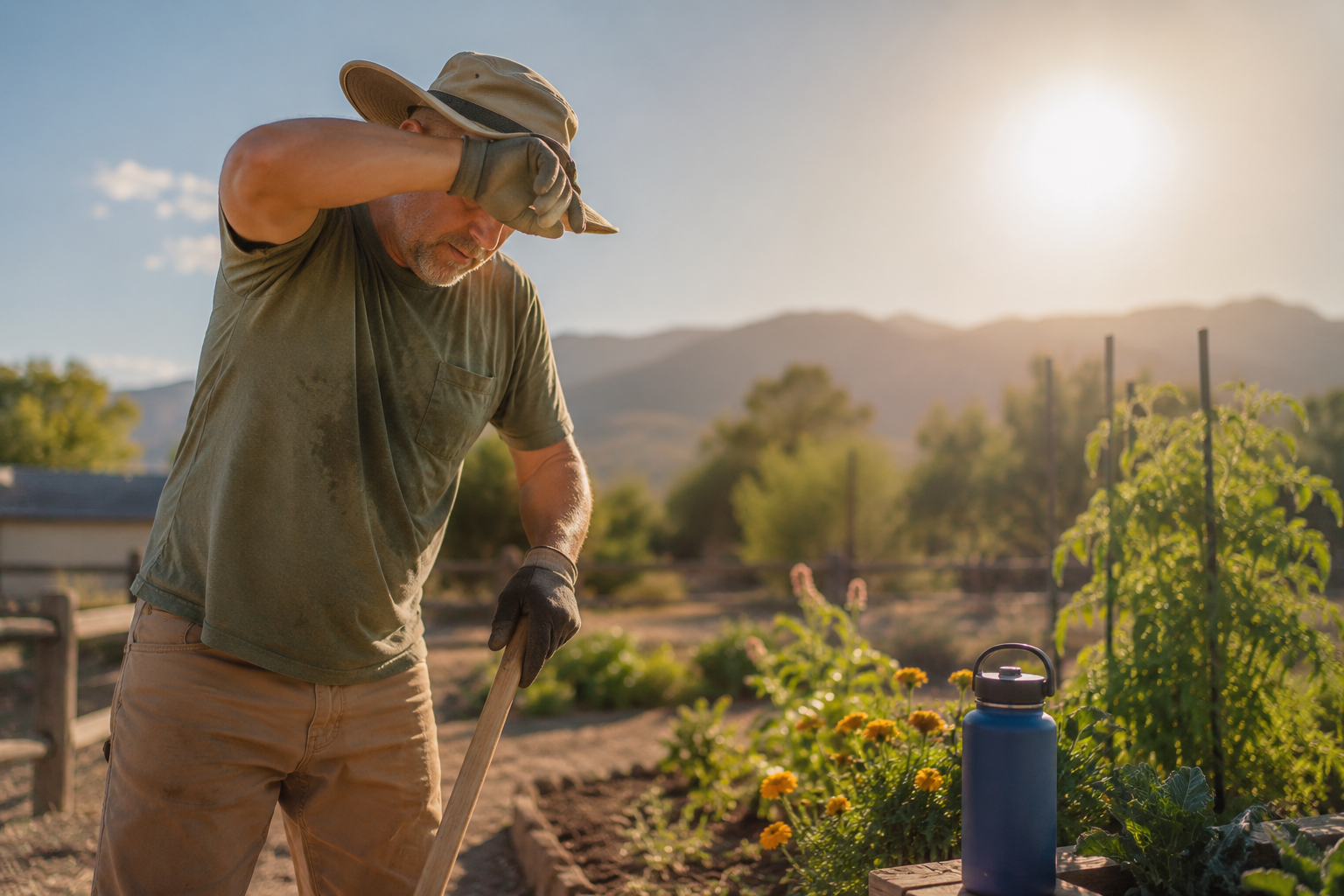
How to prevent heat exhaustion and heat stroke during Colorado's hottest days.
Summer Is Meant to Be Enjoyed
Summer is one of my favorite times of year here on the Western Slope. Whether you're spending the day at Ridgway Reservoir, hiking our beautiful trails, working around your property, or cheering on your kids at a weekend tournament, it's hard to beat a Colorado summer.
With temperatures expected to climb into the upper 90s this weekend, I wanted to share a few simple reminders to help keep you and your family safe.
Every summer, I see people who underestimate how quickly heat can affect the body. The good news is that most heat-related illnesses are preventable with a little planning and awareness.

Why Hot Weather Can Become Dangerous
Our bodies are remarkably good at keeping us cool.
Normally, we regulate our temperature by sweating. As sweat evaporates from our skin, it removes heat and helps cool the body. We also increase blood flow to the skin to release excess heat.
When temperatures climb—or when we're exercising, working outside, or spending hours in the sun—our cooling system has to work much harder. If we aren't replacing fluids or taking breaks, our body temperature can begin rising faster than it can cool itself.
That can lead first to dehydration, then heat exhaustion, and eventually heat stroke if left untreated.
One thing many people don't realize is that living in Western Colorado presents its own challenges. Our high elevation, dry climate, and intense sunshine mean you can lose a surprising amount of water without realizing it. Even when it doesn't feel unbearably hot, your body may already be working overtime.
Staying Hydrated: More Than Just Drinking Water
One of the most common questions I hear is:
"How much water should I drink?"
There isn't a perfect number that fits everyone. Your hydration needs depend on your age, body size, activity level, and how much you're sweating.
Instead of focusing on ounces, I encourage people to pay attention to their body's signals.
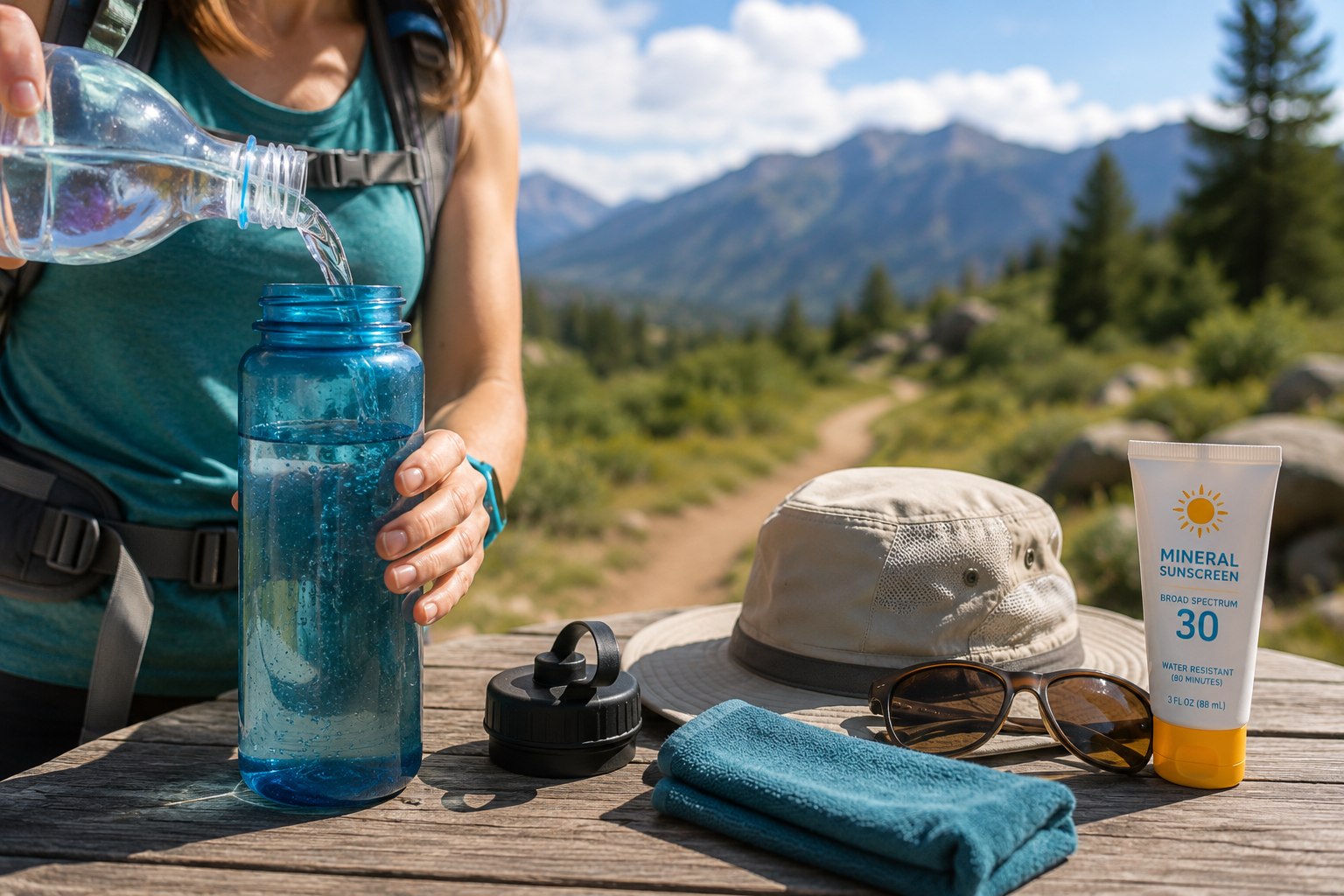
Good hydration usually means:
Drinking water consistently throughout the day
Starting outdoor activities already well hydrated
Taking water with you instead of waiting until you're thirsty
Watching for light yellow urine, which is usually a good sign of adequate hydration
If you're spending several hours outside working, hiking, or playing sports, replacing electrolytes can also be helpful—especially if you're sweating heavily.
Who Needs to Be Extra Careful?
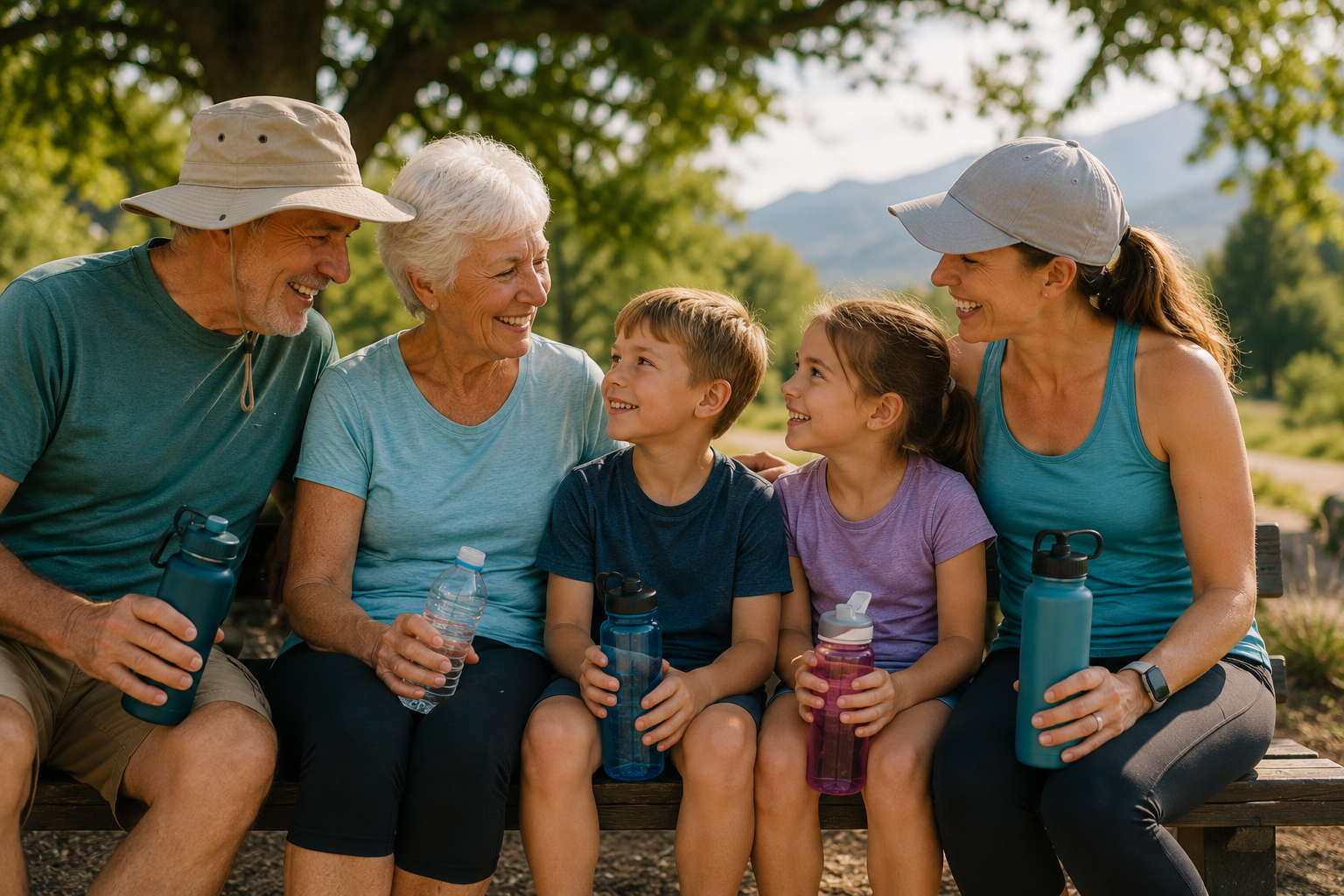
Anyone can develop a heat-related illness, but some people are at greater risk.
This includes:
Young children
Older adults
Pregnant women
People with heart or lung disease
Individuals with diabetes
Anyone working outdoors for long periods
Athletes participating in summer sports
Certain medications can also make it more difficult for your body to regulate temperature or stay hydrated. Some blood pressure medications, diuretics ("water pills"), antihistamines, and several mental health medications can increase your risk.
If you're unsure whether one of your medications affects heat tolerance, ask your healthcare provider or pharmacist.
Recognizing Heat Exhaustion
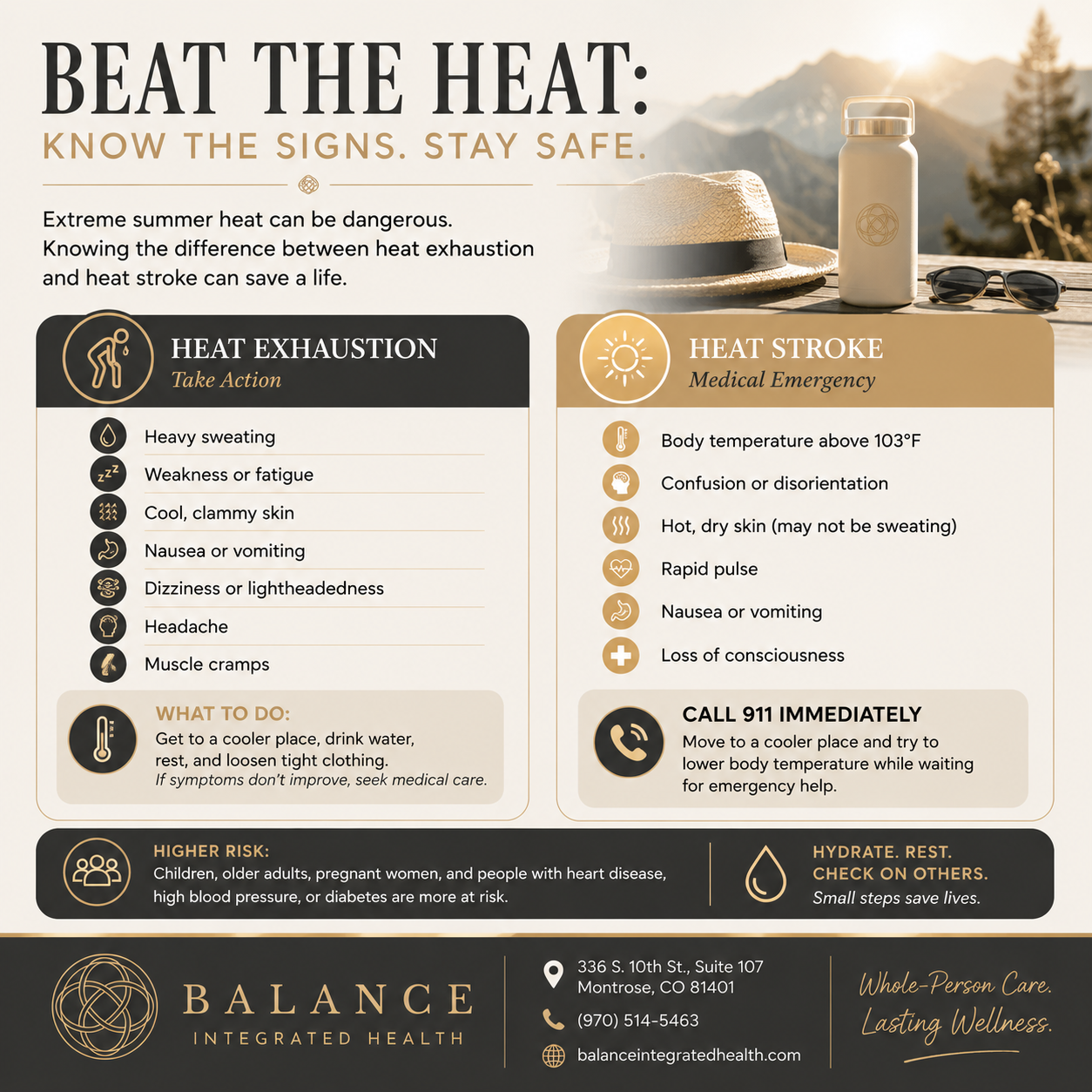
Heat exhaustion is your body's warning sign that it's struggling to keep up.
Common symptoms include:
Heavy sweating
Weakness
Fatigue
Dizziness
Headache
Nausea
Muscle cramps
Cool, clammy skin
Fortunately, heat exhaustion is usually reversible if it's recognized early.
Move to a cool place, loosen clothing, sip cool water, and rest. Using cool towels or ice packs on the neck, armpits, and groin can also help bring body temperature down.
If symptoms don't improve within 30 to 60 minutes, or they continue to worsen, it's important to seek medical evaluation.
Heat Stroke Is a Medical Emergency
Heat stroke is very different.
This occurs when the body's cooling system begins to fail and core temperature rises rapidly.
Symptoms may include:
Confusion
Slurred speech
Difficulty walking
Hot skin (with or without sweating)
Body temperature above 103°F
Rapid heartbeat
Loss of consciousness
Heat stroke requires immediate emergency treatment.
Call 911 right away.
While waiting for emergency responders, move the person into the shade or air conditioning and begin cooling them using cool water, wet towels, or ice packs if available.
Don't wait to see if they improve on their own.
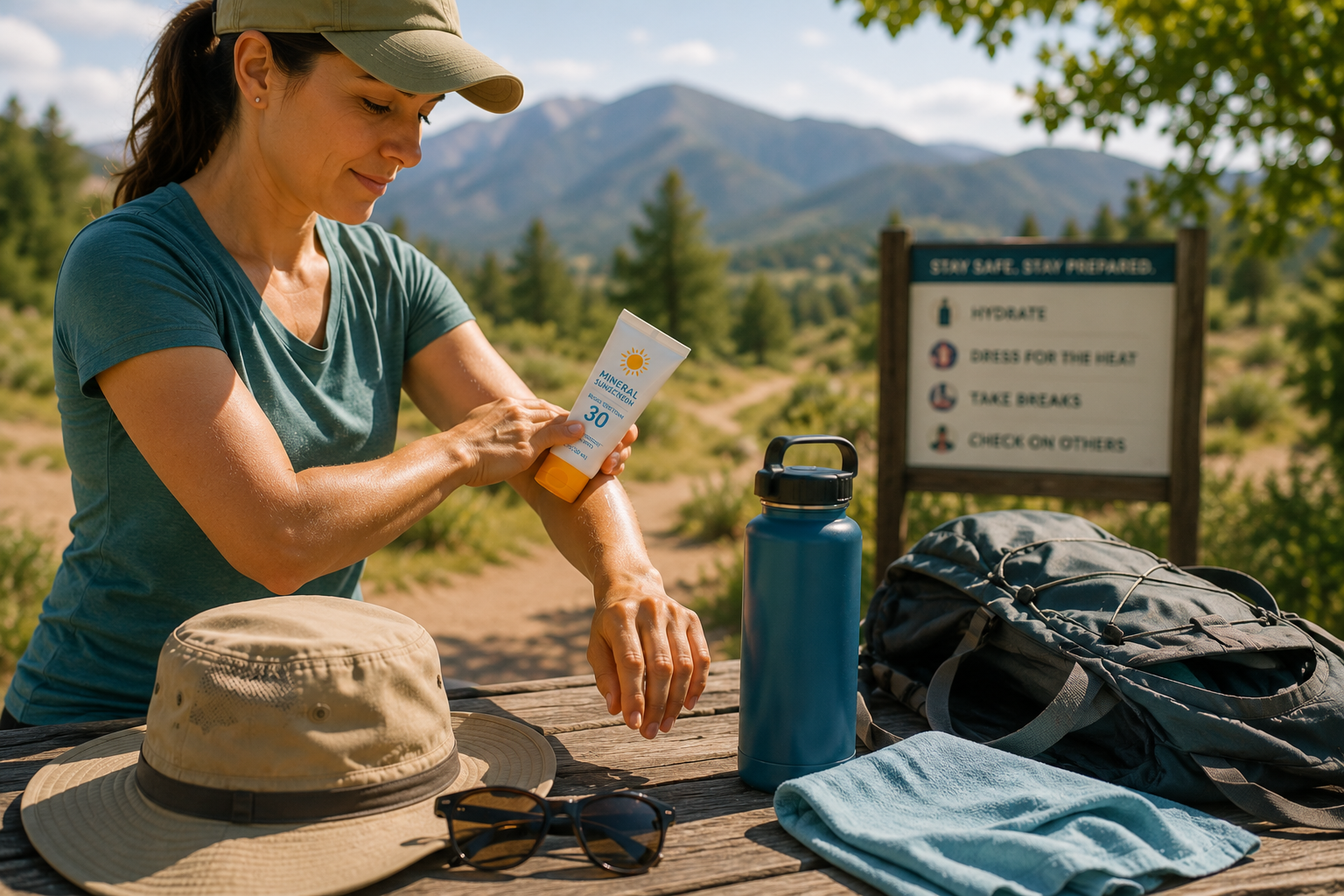
Simple Ways to Prevent Heat Illness
Fortunately, prevention is usually straightforward.
Before spending time outdoors:
✔ Drink water before you become thirsty
✔ Wear lightweight, light-colored clothing
✔ Wear a wide-brimmed hat and sunscreen
✔ Take breaks in the shade or air conditioning
✔ Avoid strenuous activity during the hottest part of the day (typically 11 a.m. to 4 p.m.)
✔ Bring more water than you think you'll need
✔ Check on children, older family members, neighbors, and pets
Small habits like these can make a big difference on hot summer days.
Enjoy Summer Safely
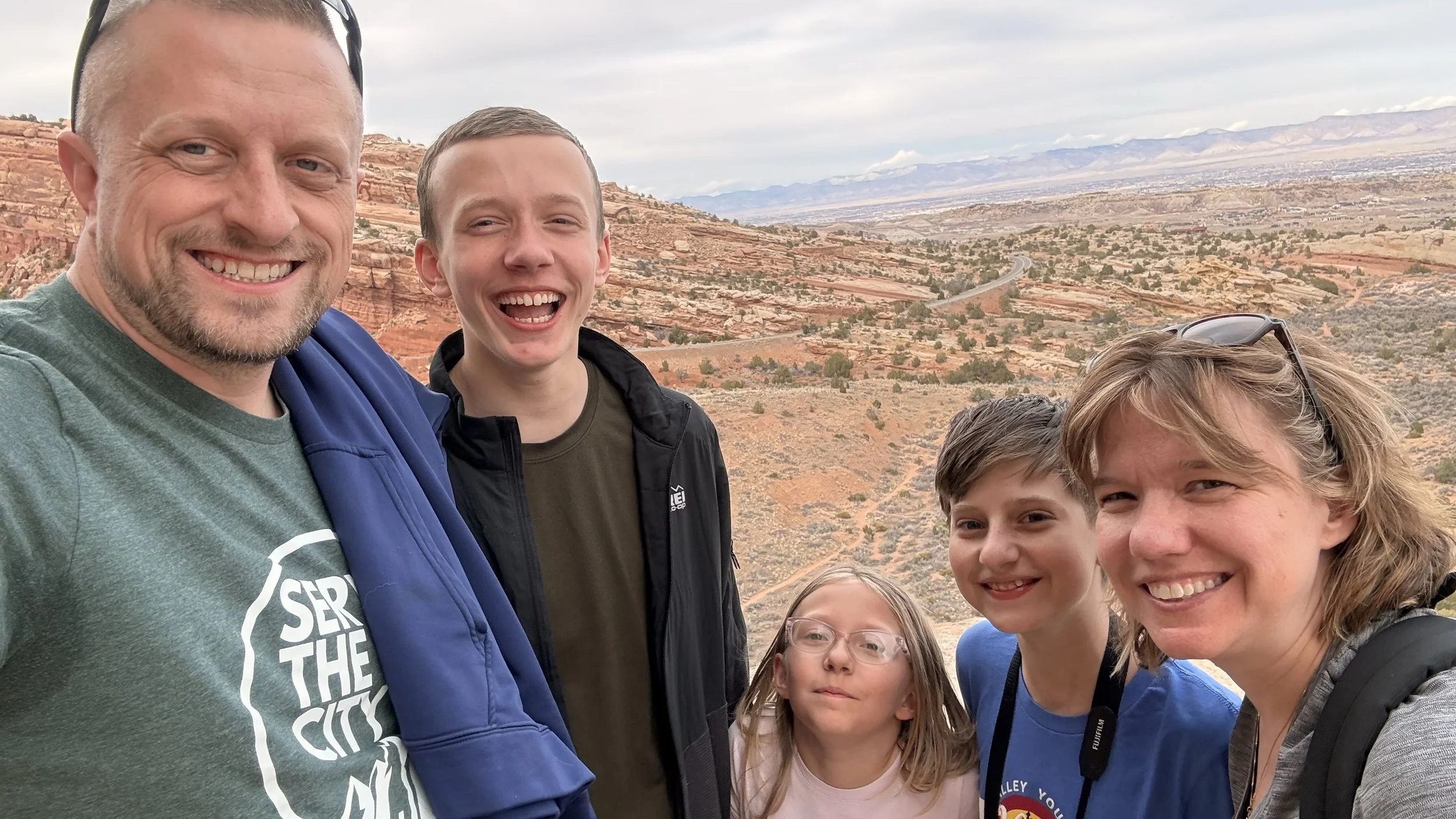
One of the things I love about practicing medicine in Montrose is seeing people enjoy an active, outdoor lifestyle. Whether you're spending the weekend fishing, hiking, camping, working on your property, or simply relaxing with family, I hope you have a wonderful time.
Just remember that your health is easier to protect than it is to restore.
A little extra water, a few breaks in the shade, and knowing the warning signs of heat illness can help ensure your summer memories are good ones.
Stay safe, stay hydrated, and enjoy the weekend!
— Balance Integrated Health Team
About Balance Integrated Health
At Balance Integrated Health, we believe healthcare is about more than treating illness—it's about helping you stay healthy through education, prevention, and a strong relationship with your physician.
If you're looking for personalized primary care with longer appointments, direct access to your doctor, and a focus on long-term wellness, we'd love to meet you.
